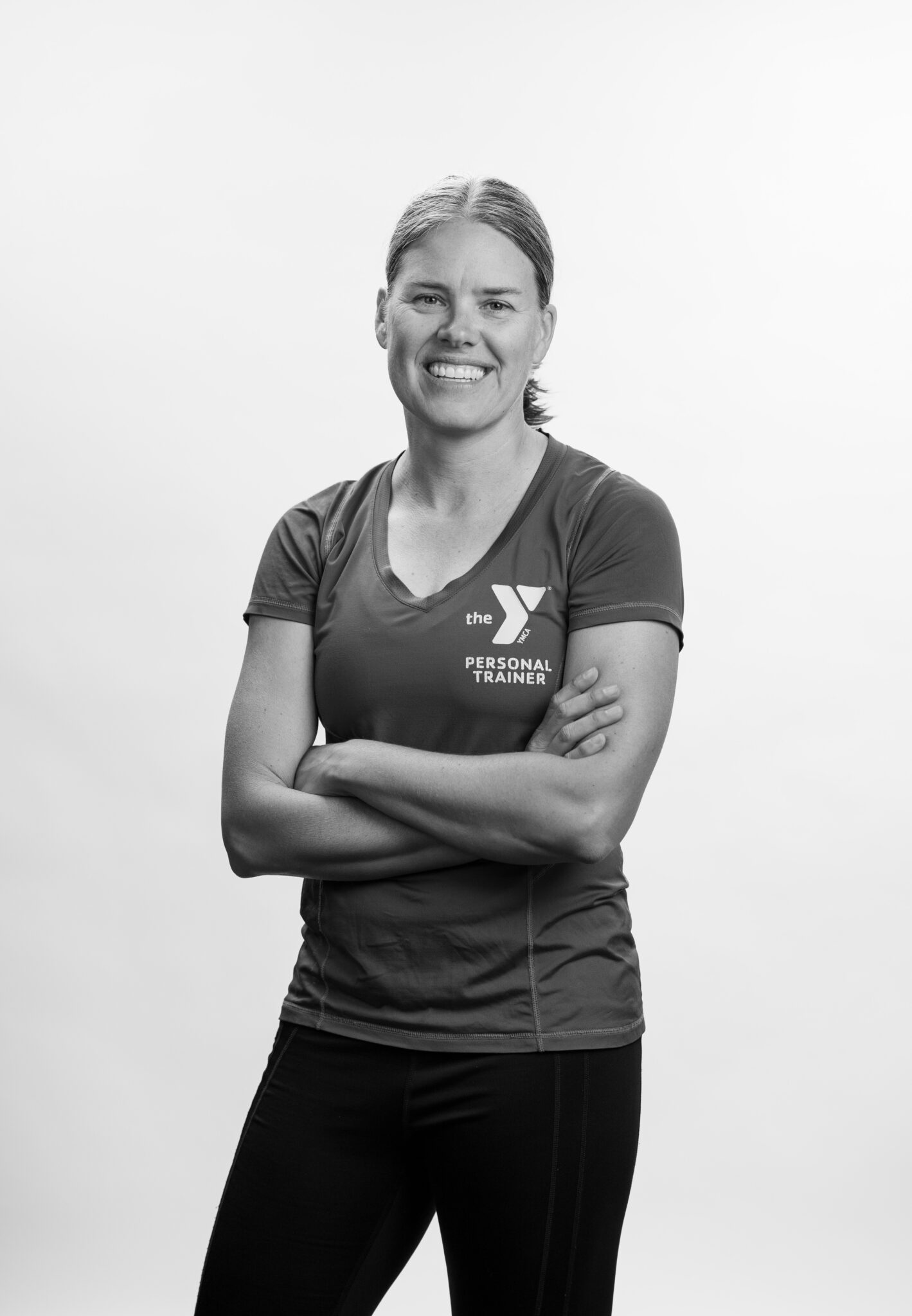
As part of NETA’s 2026 Virtual Fit Fest, Jennifer Myers will present Creating Cohesive Communities on Thursday, February 19, 2026, from 6–7 p.m. CT.
Here’s a preview of what participants can expect from this empowering session for fitness professionals ready to build relationships within their training realm.
Creating Cohesive Communities
By Jennifer Myers, M.A., NETA-CPT
As a seasoned fitness administrator, group fitness instructor, and personal trainer, I’ve seen firsthand the power of people coming together. Research demonstrates that clients, participants, and teammates who feel connected to one another are more likely to adhere to behavioral changes, are more motivated by accountability, and collectively advance the group’s goals (Weinberg & Gould, 2024).
But what exactly constitutes cohesion, and how do we as fitness professionals encourage and help create it?
Social Support
Social support is one way to build an effective group climate. Social support is a multi-dimensional concept, and researchers have outlined seven types of social support (Rees, 2007; Rosenfeld & Richman, 1997). Let’s look at these types in more detail.
Listening Support
Listening support is the perception that someone else is listening without judgment. Perhaps your workout partner lets you vent about how hard it’s been to stay motivated lately. Or, your fellow instructor listens to you speak on managing your new class schedule. Offering a listening ear can turn someone’s day around.
Emotional Support
Emotional support is providing comfort and care to show that you are valued. An example of this could be one of your fitness class participants not reaching the time they had hoped for in a recent 5K, but the group fitness class rallies around them to celebrate the accomplishment of completing the race and ask questions about their experience.
Emotional-Challenege Support
Emotional-challenge support encourages someone to evaluate their attitudes, values, or emotions in a constructive way – often to foster growth. For example, after an extra set of squats are out of reach for a participant today, a friend in class says, “I know you are frustrated, but maybe you are still recovering from the tough workout in yesterday’s class. You’re stronger than you think!”
Reality-Confirmation Support
Reality-confirmation support is when a person who sees things the same way helps to confirm the perspective. Perhaps a bootcamp classmate comments “Yeah, that last circuit in class was tough for everyone – it’s not just you!” Putting challenging tasks into perspective allows people to revisit preconceived notions that might not serve them well.
Task-Appreciation Support
Task-appreciation support expresses and fosters appreciation for someone’s efforts and recognizes the quality of their work. As a group fitness instructor, thanking participants for helping to put the equipment away safely demonstratees task-appreciation support. Participants may be more motivated to return to class when they know they have contributed to the group.
Task-Challenge Support
Task-challenge support involves challenging someone’s way of thinking inorder to stretch, motivate, and lead the participant to greater excitement and involvement. A personal trainer may say something like “you’ve been hitting eight repetitions easily the last few sessions; let’s go for ten today!” Sometimes, having someone else believe we can do something is enough for us to make it happen.
Personal-Assistance Support
Personal-assistance support is providing tangible, direct help. Fitness friends may offer to carpool to the gym, or bring an extra pair of shoes to make it easier for others to participate. the “pay-it-forward” sense of responsibility will continue to encourage group cohesion.
Consider what types of social support you as a fitness professional currently embody, and where you have room to grow, and join me during the 2026 Virtual Fit Fest to learn how to implement these and more skills!
References:
- Rees, T. (2016). Social support in sport psychology. Routledge International Handbook of Sport Psychology. New York, NY: Routledge.
- Rosenfeld, L.B. & Ritchman, J.M. (1997). Developing effective social support: Team building and the social support process. The Sport Psychologist, 9, 133-153.
- Weinberg, R.S. & Gould, D. (2024). Foundations of sport and exercise psychology, 8th ed. Champaign, IL: Human Kinetics.
Jennifer Myers is an assistant professor of exercise science at Concordia University in St Paul, MN. She holds a Master of Arts degree in human performance from Minnesota State University, with a Bachelor of Arts degree in psychology. Jennifer is a NETA-Certified Personal Trainer and continues to instruct fitness classes across the Twin Cities area.