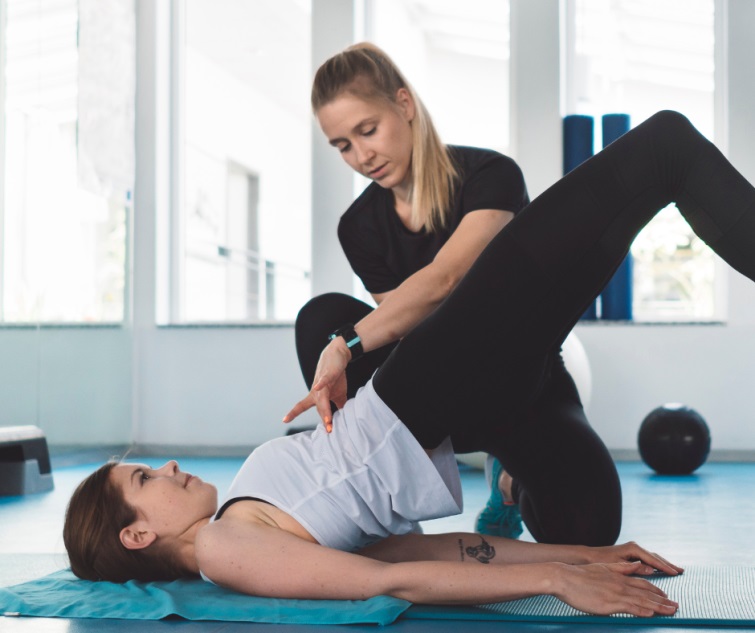
In previous blogs, we discussed the steps needed to develop successful corrective exercise programs. We learned how to identify musculoskeletal imbalances, how to identify which muscles and other soft-tissue structures are causing or contributing to these imbalances, and how to decide which types of corrective exercises are best for targeting these issues.
The next step in the process involves selecting the specific corrective exercises that you will prove most successful for each client’s condition.
The Problem with “Standard” Exercises
A common mistake professionals make is assuming that one specific stretch or move works for everyone with a similar imbalance. For example, if a client has a prominent arch in their lower back area (excessive lumbar lordosis), many trainers immediately prescribe a lower back stretch. But if that client also has an underlying injury, other imbalances or restrictions, then a standard stretch might actually cause them more harm than good.
To be effective, a corrective exercise specialist must move beyond a limited corrective exercise repertoire or short list of techniques and develop a comprehensive library of progressions, regressions, and alternatives to ensure they can modify and adapt their programs to meet the needs of the individual.
The Anatomy of a Corrective Tool
When building an exercise library, every movement should be categorized by its objective of how it relates to the client’s underlying imbalances and program requirements. A comprehensive library isn’t just a list of movements; it is a system of variables:
- Modality: Is this a self-myofascial release (SMR) technique using a foam roller, a passive stretch, or an eccentric strengthening move?
- Imbalance(s): Which identified musculoskeletal issues are being targeted with this exercise?
- Target Structure(s): Which specific structure or group of muscles are being addressed?
- Performance: How is this exercise performed, and how do I communicate these movements effectively to a client?
- Benefits: What are the functional benefits of this exercise from both my perspective and the clients?
- Regressions: If the client experiences “guarding” (the nervous system tightening up to protect a joint), how do you simplify the move to keep them safe?
- Progressions: Once the client gains control, how do you add load or complexity without losing the benefit of this exercise?
Precision Teaching: What to Look For
Teaching corrective exercises requires a different eye than traditional personal training. Instead of looking for “max effort,” you are looking for integrity of movement. For example, if you are coaching a calf stretch to address overpronation, you aren’t just looking at the lower leg. You are watching the position of the foot, the alignment of the knee, and ensuring the pelvis hasn’t tilted forward to “cheat” the range of motion.
Knowledge as a Clinical Resource
In the professional world, your value lies in your ability to deliver solutions when the “obvious” path fails. Having a wide-ranging library of corrective options allows you to pivot instantly during a session. If a client finds a certain position painful or awkward, you don’t have to abandon the goal; you simply reach for a different tool in the library that achieves the same outcome.
This level of detail is why the Complete Corrective Exercise Library exists as a standalone pillar and also the fourth step in The BioMechanics Method CES certification. It provides the step-by-step video demonstrations, exercise instructions, and cueing nuances needed to ensure that the exercise phases of your client’s corrective exercise program are executed with absolute precision.
Completing the System
From this blog and the first three blogs in this series, you now understand how to assess the imbalance, identify the muscles involved, and select and sequence the exercises in a corrective exercise program.
In our final blog of this series, we will explore Corrective Exercise Program Design, where we turn these individual tools into a cohesive long-term plan that helps your clients move out of pain and back into the activities they love.
Contributed By:
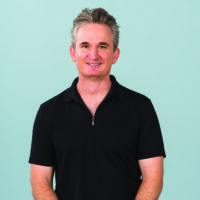 Justin Price is one of the world’s foremost experts in musculoskeletal assessment and corrective exercise and creator of The BioMechanics Method Corrective Exercise Specialist certification (TBMM-CES) available through NETA. The BioMechanics Method is the fitness industry’s highest-rated CES credential with trained professionals in over 80 countries. Justin is also the author of several books including The BioMechanics Method for Corrective Exercise academic textbook, a former IDEA Personal Trainer of the Year, and a subject matter expert for The American Council on Exercise, Human Kinetics, TRX, BOSU, Arthritis Today, BBC, Discovery Health, Los Angeles Times, Men’s Health, MSNBC, New York Times, Newsweek, Time, Wall Street Journal, WebMD and Tennis Magazine.