In previous blogs, we covered the what and the how of corrective exercise: structural assessments, muscle mechanics, corrective exercise sequencing, and the vast library of specific movements needed to address imbalances. But a collection of tools in your corrective exercise kit will only get you halfway to success. Knowing how to assemble those tools into a cohesive, long-term plan that guides a client from their first session to their ultimate goal is the mark of a true corrective exercise specialist.
Beyond the Single Session
A common pitfall many exercise professionals make with regard to running client programs is in their lack of session-to-session planning. Often, exercises are picked on the fly for a client based on how the client feels that day. While flexibility in programming is important, corrective exercise success requires a planned and strategic roadmap.
Corrective Exercise Program Design—the fifth and final pillar of The BioMechanics Method—is where the science of assessment and exercise selection meets the art of coaching. It is the creative and considered process of taking individual corrective exercises and developing them into a cohesive and progressive journey that gets a client where they want to go.
The Human Element: Communication and Consultation
You can design the most biomechanically perfect program in the world for a client, but if they don’t do it, it won’t work. Successful program design starts with an understanding of and empathy for a client’s situation:
- Understanding Motivation: With every client, you should always be able to answer this question: Why exactly has this person come to see me? Is it because they want to be able to play basketball with their grandchildren without back pain? Are they trying to overcome a shoulder injury that is affecting their ability to work? Are they wanting to achieve a personal goal of running a marathon? The underlying motivation for a client coming to see you is important to know because the “why” dictates the “what.”
- Effective Consultations: Asking the right questions to uncover lifestyle factors—like a person’s occupation, hobbies, current activities, or old injuries—is crucial because these things can help you understand your program design starting point, but also highlight issues that could be sabotaging their progress.
- Behavior Change: Moving out of pain often requires individuals to change life-long habits. Helping clients realize this, assisting them in identifying problematic habits, and meaningfully engaging them in a process to help them reshape their behavior, is the ticket to helping them succeed with their desired goals.
Managing the Variables
 As you can see, designing a corrective exercise program is more than just creating a list of exercise reps and sets. In addition to understanding a client’s motivations and lifestyle, a corrective exercise specialist must also be able to evaluate many other variables that can influence a client’s success:
- Frequency and Duration: How often should a client perform their exercises both in the gym and at home?
- Psychological Guarding: How do you coach a client who is fearful of movement due to past pain?
- Scope of Practice: How do you know when to progress a client and/or when to refer them to a medical professional?
The Final Step in Your CES Journey
This stage of the process is covered in depth in the Corrective Exercise Program Design course. As the fifth and final module of The BioMechanics Method Corrective Exercise Specialist (TBMM-CES) credential, it bridges the gap between technical knowledge and professional practice.
What you’ll master in this final phase:
- Conducting successful, high-value consultations.
- Designing individual sessions that lead into comprehensive long-term programs.
- Advanced coaching and cueing techniques to ensure client safety and adherence.
- Strategies to help clients overcome movement limitations and return to the activities they love.
Putting it All Together
In this blog series, we have traveled from the initial assessment of a musculoskeletal imbalance to the creation of a life-changing movement plan. With The BioMechanics Method, you aren’t just giving someone corrective exercises; you are giving them a path back to a pain-free life full of promise and without restrictions.
Ready to bridge the gap?
You can find the Corrective Exercise Program Design course as a standalone module or as the final step in earning The BioMechanics Method Corrective Exercise Specialist certification (TBMM-CES) credential available from NETA.
Contributed By:
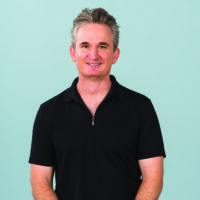 Justin Price is one of the world’s foremost experts in musculoskeletal assessment and corrective exercise and creator of The BioMechanics Method Corrective Exercise Specialist certification (TBMM-CES) available through NETA. The BioMechanics Method is the fitness industry’s highest-rated CES credential with trained professionals in over 80 countries. Justin is also the author of several books including The BioMechanics Method for Corrective Exercise academic textbook, a former IDEA Personal Trainer of the Year, and a subject matter expert for The American Council on Exercise, Human Kinetics, TRX, BOSU, Arthritis Today, BBC, Discovery Health, Los Angeles Times, Men’s Health, MSNBC, New York Times, Newsweek, Time, Wall Street Journal, WebMD and Tennis Magazine.