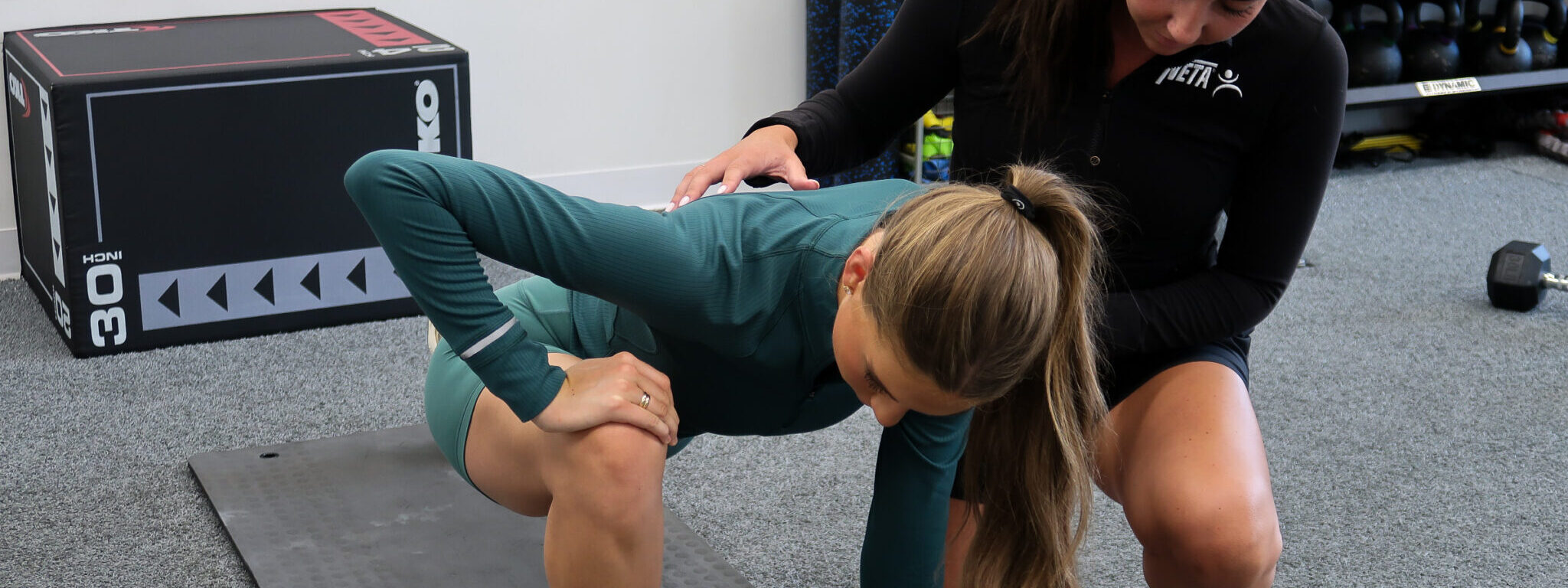
Yoga for Athletes Training
Athletes of all ages and across every sport are constantly seeking ways to maximize their potential and elevate performance. While strength, endurance, and sport-specific skills remain essential, a regular yoga practice can provide a valuable edge by enhancing mobility and range of motion, improving breathing efficiency, accelerating recovery after training, and cultivating the mental stamina and focus needed for peak performance. Whether you’re training for competition, pursuing a personal best, or simply looking to move and feel better, yoga complements traditional athletic training by supporting both physical performance and long-term resilience.
Why Athletes Are Adding Yoga to Their Training Programs
Athletes are increasingly recognizing that peak performance depends on more than strength, speed, and endurance. Recovery, mobility, mental resilience, and movement efficiency are equally important for staying healthy and performing at a high level. Yoga addresses these often-overlooked components, making it a valuable complement to traditional athletic training.
Athletes are seeking yoga because:
- Modern sports performance is not just strength and conditioning
- Recovery and movement quality matter
- Yoga complements traditional training and balances sport-specific demands
- Yoga practices can help athletes deal with mental stressors of sport
Evolution of Modern Sports Performance
Modern athletic performance has evolved far beyond simply training harder or spending more hours practicing a sport. Today’s athletes recognize that success depends on a comprehensive approach that optimizes every aspect of performance, from movement quality and recovery to nutrition and mental resilience. As a result, training has become more evidence-based, individualized, and holistic.
Several key shifts have transformed the way athletes prepare and compete:
Training Has Become More Holistic
Rather than focusing solely on strength, endurance, or sport-specific skills, athletes now incorporate complementary practices such as mobility training, yoga, recovery sessions, breathwork, and mindfulness. These strategies help improve movement efficiency, reduce injury risk, and enhance overall performance.
Recovery Is a Performance Strategy
Recovery is no longer viewed as downtime; it’s an essential component of training. Athletes prioritize quality sleep, proper nutrition, hydration, active recovery, and stress management to optimize adaptation and reduce the risk of overtraining.
Injury Prevention Is a Priority
Instead of waiting until an injury occurs, athletes and coaches emphasize proactive strategies that improve mobility, stability, balance, and movement mechanics. Corrective exercise and flexibility training are now common parts of year-round programming.
Mental Performance Is Recognized as Essential
Success in sport requires more than physical preparation. Visualization, mindfulness, breath control, and mental skills training help athletes improve focus, confidence, emotional regulation, and performance under pressure.
Technology and Data Drive Decisions
Wearable technology, GPS tracking, heart rate monitoring, and performance analytics allow athletes and coaches to monitor training loads, recovery status, and physiological responses. These insights help create individualized training plans that maximize performance while minimizing injury risk.
Quality of Movement Matters
Athletes increasingly understand that moving well is just as important as moving fast or lifting heavy. Greater attention is given to mobility, joint stability, posture, balance, and efficient movement patterns—all areas where practices like yoga can provide meaningful benefits.
Benefits of Yoga for Athletic Performance
Yoga enhances athletic performance by improving movement efficiency, mobility, stability, and body awareness, allowing athletes to move with greater precision while reducing the risk of injury and supporting long-term joint health and performance longevity. Beyond the physical benefits, yoga also strengthens mental flexibility, focus, and resilience through mindful movement and breathwork, helping athletes stay composed under pressure, recover more effectively, and perform at their highest level.
Better Movement Efficiency
Movement efficiency is the ability to perform a movement with the least amount of unnecessary effort while maximizing control, stability, and power. Efficient movement conserves energy, improves performance, and reduces stress on the body. Yoga develops many of the physical and neurological qualities that contribute to moving more efficiently, making it a valuable addition to an athlete’s training program.
Improves Body Awareness
Yoga encourages athletes to become more aware of how their bodies move in space (proprioception). This heightened awareness helps identify inefficient movement patterns, poor posture, or compensations that can limit performance or increase injury risk. As athletes become more attuned to their bodies, they can make subtle adjustments that improve technique and movement quality.
Enhances Mobility While Maintaining Stability
Efficient movement requires both adequate mobility and joint stability. Yoga increases flexibility in muscles and connective tissues while simultaneously strengthening the muscles that stabilize joints. This balance allows athletes to move through a full range of motion with greater control rather than relying on compensatory movement patterns.
Improves Alignment
Many yoga poses emphasize proper alignment of the spine, hips, shoulders, knees, and feet. Better alignment allows forces to be distributed more effectively throughout the body, reducing unnecessary stress on joints and improving mechanical efficiency during athletic movements.
Strengthens the Core
The core serves as the body’s foundation for movement. Yoga develops deep abdominal, spinal, and hip stabilizing muscles that help transfer force efficiently between the upper and lower body. A stable core reduces energy leaks and improves balance, coordination, and power production.
Refines Balance and Coordination
Yoga challenges balance in multiple planes of motion, improving neuromuscular control and coordination. Athletes develop the ability to make quick postural adjustments, resulting in smoother, more precise movements during sport-specific activities.
Encourages Breath-Movement Synchronization
Yoga teaches athletes to coordinate breathing with movement. Efficient breathing helps maintain rhythm, reduce unnecessary muscle tension, and improve oxygen delivery, allowing movement to feel more fluid and less taxing.
Reduces Excess Muscle Tension
Many athletes unknowingly carry unnecessary muscular tension while moving. Yoga promotes relaxation of muscles that don’t need to be active, allowing the primary muscles responsible for the movement to work more effectively. This reduces wasted energy and creates smoother, more economical movement patterns.
Develops Motor Control
Yoga often involves slow, deliberate transitions between postures. These controlled movements improve motor control by strengthening communication between the brain and muscles. Better motor control translates to greater precision and consistency during athletic performance.
Injury Prevention and Performance Longevity
Injuries often occur when the body is unable to efficiently absorb, control, or produce force. Muscle imbalances, poor movement mechanics, limited mobility, joint instability, and repetitive stress can all increase an athlete’s risk of injury. Yoga addresses many of these factors by promoting balanced movement, improving body awareness, and enhancing the body’s ability to move with strength and control.
Improves Mobility Without Compromising Stability
Healthy joints require adequate mobility to move through their intended range of motion, but they also need the surrounding muscles to provide stability. Yoga develops both qualities simultaneously, allowing athletes to move more freely while maintaining control. This balanced approach reduces compensatory movement patterns that can place excessive stress on joints and soft tissues.
Corrects Muscle Imbalances
Many sports emphasize repetitive movements that strengthen certain muscles while leaving others underdeveloped. Over time, these imbalances can alter posture and movement mechanics, increasing injury risk. Yoga encourages balanced muscular development by strengthening stabilizing muscles and improving flexibility in areas that tend to become tight, restoring more symmetrical movement.
Enhances Joint Alignment
Proper alignment is a cornerstone of yoga practice. By improving the alignment of the spine, shoulders, hips, knees, and ankles, yoga helps distribute forces more evenly throughout the body. When joints move in their optimal positions, there is less unnecessary wear on cartilage, ligaments, and tendons.
Strengthens the Muscles That Protect Joints
Yoga emphasizes controlled, weight-bearing movements that build muscular endurance and strengthen the smaller stabilizing muscles surrounding the joints. These muscles act as the body’s natural support system, helping maintain joint integrity during both everyday activities and athletic performance.
Improves Proprioception and Balance
Yoga enhances proprioception, which is the body’s ability to sense its position and movement in space. Better proprioception allows athletes to react more quickly to changes in terrain, direction, or body position, reducing the likelihood of falls, awkward landings, and non-contact injuries. Improved balance and coordination also contribute to safer, more efficient movement.
Encourages Healthy Movement Patterns
Many yoga postures reinforce proper movement mechanics, helping athletes become more aware of how they bend, twist, squat, reach, and stabilize. This increased body awareness often carries over into sport-specific movements, reducing inefficient patterns that can lead to overuse injuries.
Reduces Chronic Muscle Tension
Persistent muscle tightness can alter joint mechanics and restrict normal movement. Yoga helps reduce unnecessary muscular tension while maintaining functional flexibility, allowing joints to move more freely and comfortably through their intended range of motion.
Supports Recovery and Tissue Health
Recovery plays a vital role in injury prevention. Yoga promotes circulation, which helps deliver oxygen and nutrients to muscles and connective tissues while supporting the removal of metabolic byproducts. Combined with relaxation techniques and mindful breathing, yoga can help reduce stress and improve recovery between training sessions.
Mental Flexibility and Focus
In addition to the physical flexibility benefits of yoga, regular practice also facilitates flexibility of mind. The manifestation of the poses, the connection to the breath, and the meditation practices all encourage focus on the present moment, a skill essential to athletes dealing with the stressors of competition. Keeping a level head and making strategic movements during high-stress situations is necessary for both safety and efficiency of movement as well as competitive advantage in all sports – such as a basketball player deciding to make a breakaway to the basket, or a runner deciding when to adjust pace and pass a competitor. Practicing mental flexibility outside of a competition trains the minds ability to make strategic decisions.
Memory
Yoga may improve memory in athletes by strengthening the connection between the mind and body while reducing mental distractions. The combination of focused attention, controlled breathing, and mindful movement enhances concentration and supports cognitive functions involved in learning and memory. Regular yoga practice has also been associated with reduced stress and lower cortisol levels, which can positively influence memory and information processing. For athletes, improved memory can translate to better recall of game plans, movement patterns, training cues, and strategic decisions, while also enhancing the ability to learn new skills and adapt during competition.
Neuroplasticity
Also important for the athlete’s mind is critical thinking and decision-making skills, often called for in the heat of competition. Beyond the benefit of stress-reduction, yoga provides enhanced opportunity for mental clarity during high-stress situations. Just as the muscle tissue is stimulated to growth during physical activity, nervous tissue is similarly affected by exercises such as yoga to enhance the neuroplasticity, or the ability of the brain to make new and faster connection, enhancing response time to situations.
Performance
When the fourth quarter hits or the game goes into overtime; when the marathoner hits mile 23; when the triathlete is facing the final grueling leg of the race – this is when the competition becomes highly cognitive. Harnessing the mental ability to control physio-affective cues of fatigue enables athletes to push for longer and harder. The breathing, mindfulness, and meditative aspects of yoga practice have been shown to positively affect mental state, allowing athletes to compete at higher levels for longer periods of time.
Types of Athletes Who Can Benefit From Yoga
Yoga is no longer viewed as an activity reserved for dancers or those seeking relaxation. Professional and recreational athletes alike are embracing yoga because it fills important gaps that traditional training may overlook. While lifting weights builds strength and conditioning improves endurance, yoga enhances the quality of movement, improves recovery, and develops the mental discipline needed to perform consistently.
Whether competing in endurance sports, team sports, strength sports, or recreational activities, athletes who include yoga in their training often experience better movement, fewer aches and injuries, improved recovery, and greater confidence in their physical abilities.
Runners
A yoga program designed specifically for runners should address the unique physical and mental demands of running. Rather than focusing solely on flexibility, the program should improve mobility, stability, balance, breathing, and recovery while correcting the muscle imbalances commonly seen in runners.
Running often creates tightness in the hip flexors, glutes, piriformis, and hamstrings. Recommended poses include low lunge, lizard, figure four, garland pose, downward-facing dog, and pyramid pose which will aid in improving stride length, reducing hip tightness and pain, and enhancing pelvic mobility for better performance and recovery.
Cyclists
Cycling develops exceptional cardiovascular fitness and lower-body endurance, but the repetitive nature of the sport can also create muscular imbalances, restricted mobility, and postural changes. Hours spent in a flexed riding position often lead to tight hip flexors, hamstrings, calves, chest, shoulders, and the thoracic spine, while limiting spinal mobility and challenging postural endurance. A yoga program for cyclists should restore balance by improving mobility, strengthening stabilizing muscles, enhancing breathing efficiency, and supporting recovery.
Hip mobility as well as chest and shoulder mobility are main focuses, as the forward-leaning position of cycling can create tightness in these areas. Recommended poses include low lunge, lizarda and figure four for the hips, and cobra, camel, and puppy pose for the chest and shoulders.
Strength Athletes
Strength athletes (including powerlifters, Olympic weightlifters, bodybuilders, CrossFit® athletes, strongman competitors, and recreational lifters) often prioritize developing maximal strength, power, and muscle mass. While resistance training builds these qualities, it can also contribute to muscle tightness, limited joint mobility, and movement compensations if mobility and recovery are neglected. A well-designed yoga program complements strength training by improving mobility, enhancing stability, promoting recovery, and developing the body awareness needed for safe, efficient lifting.
Poses such as garland pose and thread the needle target key lifting joints requiring mobility, such as the hips for squat depth and shoulders for overhead mobility. Additionally, poses such as plank, bird dog, and chair pose aid in strengthening the smaller stabilizing muscles that support the major joints during heavy lifting.
How Trainers and Instructors Can Incorporate Yoga Into Athletic Training
Adding yoga to an athletic training program doesn’t require replacing existing workouts or spending hours on the mat. Even short, purposeful sessions can complement sport-specific training by improving movement quality, supporting recovery, and enhancing mental focus. The key is to use yoga strategically based on training demands and performance goals.
Identify Your Goals
Begin by determining what you want yoga to accomplish. Common goals include improving mobility and flexibility, increasing balance and stability, enhancing recovery, improving breathing efficiency, and preventing overuse injuries. Your goals will deteremine the type and frequency of yoga that best fits your training plan.
Match the Practice to Your Training Schedule
Not every yoga session should be the same. Consider the purpose of each practice in relation to your workouts.
- Before training: Use a short, dynamic yoga sequence to warm up the body, increase circulation, activate stabilizing muscles, and improve mobility.
- After training: Focus on gentle stretches, breathwork, and relaxation to encourage recovery and reduce muscle tension.
- Recovery days: Practice longer, restorative sessions to improve flexibility, reduce fatigue, and support nervous system recovery
Start small – you don’t need hour-long classes to see benefits. Consistency is more important than duration. Even brief practices can improve mobility, movement quality, and recovery when performed regularly.
Prioritize Sport-Specific Needsand
Choose yoga poses that address the movement demands of your sport. For example:
- Runners: Hips, calves, hamstrings, ankles, and core stability.
- Cyclists: Hip flexors, thoracic spine, chest, shoulders, and postural muscles.
- Strength athletes: Ankles, hips, shoulders, wrists, thoracic mobility, and core stability.
- Swimmers: Shoulders, thoracic spine, hips, and breathing mechanics.
- Court and field athletes: Multi-planar mobility, balance, rotational strength, and agility.
What Trainers Should Know Before Teaching Yoga to Athletes
Teaching yoga to athletes requires more than knowing yoga postures. Trainers must understand the physical demands of the athlete’s sport, the purpose of each yoga practice, and how to integrate yoga into an existing training program without compromising performance. The goal is not to make athletes more flexible, it’s to help them move better, recover more effectively, and perform at a higher level.
Before teaching yoga to athletes, remember these guiding principles:
- Assess the athlete’s movement quality before selecting exercises.
- Match the yoga practice to the athlete’s sport and current training phase.
- Emphasize mobility with stability rather than flexibility alone.
- Prioritize movement quality over achieving advanced postures.
- Integrate breathwork and mindfulness to enhance both performance and recovery.
- Modify poses to accommodate individual needs and injury history.
- Keep sessions purposeful, efficient, and aligned with the athlete’s performance goals.
Expanding Your Knowledge
The most effective yoga instructors for athletes understand both yoga and athletic performance. They recognize that yoga is not an isolated practice but a strategic component of a comprehensive training program. A thorough understanding of the purpose, foundation, alignment, and intensity of a library of poses is essential for ensuring safe and effective instruction.
NETA offers formal training and education that can assist trainers in the inclusion of yoga in their sessions. NETA’s Yoga Foundations Specialty Certificate, available as a blended-learning program, is a great starting point for trainers, as it breaks down the
- Sequencing
- Anatomy and purpose
- Safe instruction
- Progressive class design
of over 20 basic yoga poses. Yoga Foundations can be taken as a stand-alone specialty, or as part of NETA’s Yoga Alliance approved 200-hour Yoga Teacher Training program.
Next Steps
If you’re seeking to learn more, NETA’s 10-hour continuing education course (CEC) Yoga for Athletes is an easy first step. This course provides participants the opportunity to learn the physical, physiological, and psychological benefits yoga can explicitly provide athletes; programming and progression for specific sports; and how to engage and connect with coaches, athletic teams, and individual competitors.
Whether working with runners, cyclists, strength athletes, or athletes from any sport, trainers can use yoga as a strategic tool to complement—not replace—sport-specific training. Thoughtfully designed yoga sessions that align with an athlete’s goals, training cycle, and physical demands can enhance performance while supporting long-term health and resilience.

Darci Revier, DHSc
E-RYT 200
Director of Education
Darci is NETA’s Director of Education. She obtained her doctorate in Health Science and Exercise Leadership from California University of Pennsylvania and holds certifications through the NSCA, ACE, NASM, and USAW. She began working in fitness, nutrition and health promotion with members of the United States Marine Corps in 2008. Follow Darci on Instagram.